Jul 29, 2025
Understanding Fire Hydrant Systems: Components, Function & Importance
When it comes to fire safety infrastructure, fire hydrant systems are among the most critical and reliable mechanisms for emergency response. Designed to provide a ready supply of water, these systems are essential in both industrial and residential areas.
Key Components of a Fire Hydrant System:
- Landing Valve: Also known as hydrant valves, these regulate water flow and allow connection with fire hoses.
- Hose Couplings: Connect various lengths of hoses or attach hoses to valves and pumps.
- Fire Hose Pipes: Durable, pressure-resistant pipes that deliver water directly to the fire.
- Nozzles and Branch Pipes: Allow firefighters to control the direction and pressure of water discharge.
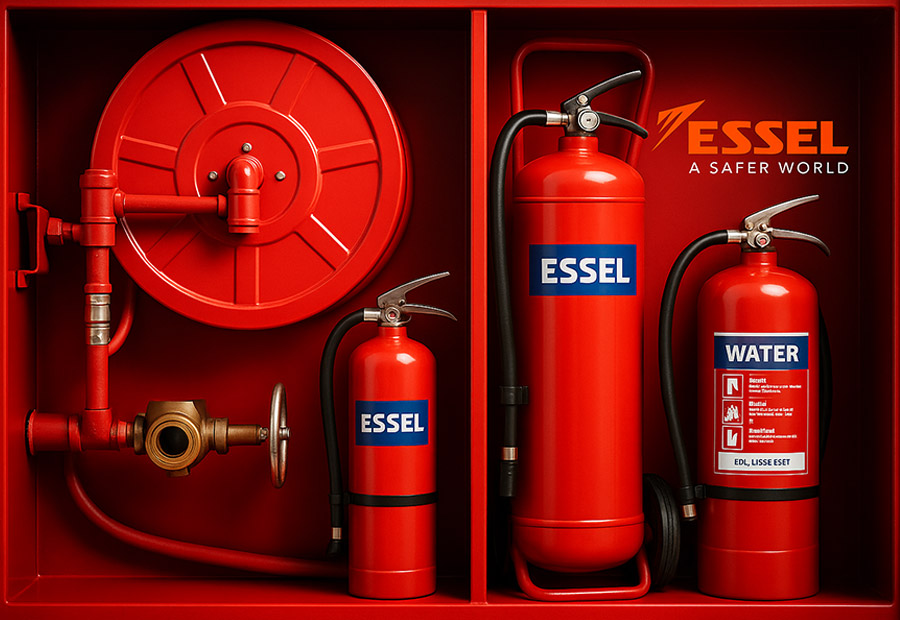
- First Aid Hose Reels: For rapid response to smaller fires, usually installed inside buildings.
Functionality: A fire hydrant system allows trained personnel to draw water from an outdoor or indoor source and fight fires effectively. It works as a high-pressure water delivery mechanism that can be activated within seconds.
Importance:
- Enables quick action to control fire before it spreads
- Reduces property damage and risk to life
- Complies with fire safety regulations
At Essel Valves, our hydrant system components are built to ensure maximum safety, durability, and compatibility with national fire safety standards.